How to Get the Best Trade-In Value For Your Vehicle
If you’re thinking about trading in your car, truck, or SUV near Buffalo, you may be wondering: How can I get the best trade-in value for my vehicle?
The answer starts before you visit a dealership. Maintaining your vehicle, gathering important records, understanding its current market value, and comparing your options can all help you approach the trade-in process with greater confidence.
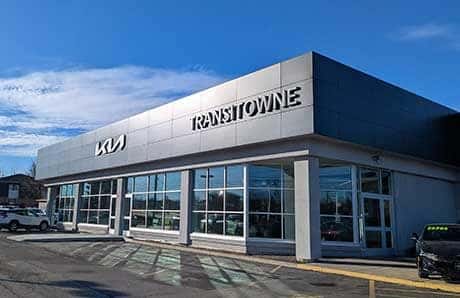
At Transitowne Auto, drivers throughout Buffalo and Western New York can start the process online with theValue Your Trade tool. Getting an estimate before visiting a dealership can give you a better idea of what your vehicle may be worth and help you plan your next purchase.
What Is the Best Way to Get More for Your Trade-In Near Buffalo, NY?
The best way to maximize your trade-in value is to keep your vehicle well-maintained, address reasonable cosmetic or mechanical issues, collect your service records, remove personal belongings, and research your vehicle’s current market before requesting an appraisal.
Your vehicle’s trade-in value ultimately depends on factors such as its age, mileage, condition, equipment, vehicle history, and current market demand. While you can’t control every factor, there are several things you can do to present your vehicle in the best possible condition.
1. Keep Up With Regular Maintenance
A well-maintained vehicle can make a stronger impression during the trade-in process.
Before getting your car appraised, make sure routine maintenance is up to date. Depending on your vehicle, that may include:
- Oil and filter changes
- Tire rotations
- Brake maintenance
- Fluid checks and replacements
- Battery maintenance
- Scheduled manufacturer service
- Other recommended maintenance
If you’ve consistently maintained your vehicle, keep your service records together. Documentation can help demonstrate that the vehicle has been cared for over time.
For Buffalo-area drivers, maintenance is especially important because vehicles experience changing conditions throughout the year. Winter temperatures, snow, ice, road salt, potholes, and stop-and-go driving can all take a toll on a vehicle.
2. Take Care of Reasonable Repairs
You don’t necessarily need to spend a lot of money preparing your vehicle for a trade-in. However, obvious problems can affect how an appraiser evaluates its condition.
Consider taking care of relatively inexpensive issues such as:
- Replacing a burned-out exterior bulb
- Repairing a damaged windshield
- Replacing worn windshield wipers
- Addressing warning lights
- Fixing minor interior damage
- Replacing a missing key or key fob when practical
- Correcting obvious mechanical issues
The important word is reasonable. Before spending thousands of dollars on repairs, consider whether the expected increase in trade-in value is likely to justify the expense.
A dealership appraisal can help you understand the vehicle’s current condition before you decide which improvements, if any, are worth making.
3. Clean Your Car Before the Appraisal
A clean vehicle is easier to evaluate and can make a better overall impression.
You don’t necessarily need a professional detail. Start by removing trash and personal belongings, then clean the interior and exterior. Pay attention to areas that are often overlooked, including:
- Floor mats
- Cupholders
- Door pockets
- Cargo areas
- Dashboard and controls
- Seats
- Windows and mirrors
If your vehicle has accumulated dirt, salt, or road grime from Buffalo-area winters, washing the exterior can also help reveal its actual condition.
Cleaning won’t change your vehicle’s mileage or history, but it can help present the vehicle at its best.
4. Gather Your Vehicle’s Records
Before visiting a Buffalo-area dealership, collect any documentation you have for the vehicle.
Useful information can include:
- Maintenance records
- Repair receipts
- Original purchase information
- Owner’s manual
- Extra keys
- Tire or wheel information
- Warranty documentation
- Records related to major repairs
You don’t need to have a perfect folder of paperwork to trade in your vehicle. However, having relevant records available can make the appraisal process easier and provide useful information about the vehicle’s history.
5. Know Your Vehicle’s Current Market Value
One of the smartest things you can do before trading in your vehicle is research.
Look at comparable vehicles based on factors such as:
- Year
- Make and model
- Trim level
- Mileage
- Drivetrain
- Optional equipment
- Condition
- Location
Remember that an online listing price isn’t necessarily the same as a vehicle’s actual trade-in value. A vehicle advertised for a certain amount at a dealership may have additional costs associated with reconditioning, marketing, financing, and retail preparation.
That’s why getting an actual trade-in estimate is useful.
Transitowne Auto makes it easy to start online with itsValue Your Trade tool.
6. Don’t Ignore Your Vehicle’s Mileage
Mileage is one of the factors that can influence a vehicle’s value.
If you’re already planning to trade in your vehicle, consider how additional mileage could affect its marketability. There isn’t a universal mileage cutoff where a vehicle suddenly loses value, but lower-mileage examples of otherwise comparable vehicles can often be more appealing to buyers.
Don’t change your normal driving habits just to avoid putting a few miles on your vehicle, but if you’re already planning a trade, it can make sense to begin the process sooner rather than later.
7. Be Honest About Your Vehicle’s Condition
When you’re trying to get the best trade-in value near Buffalo, honesty is important.
Be upfront about known issues, previous accidents, repairs, or other relevant information. A dealership will evaluate the vehicle in person, so attempting to hide a problem generally isn’t an effective strategy.
Instead, provide as much accurate information as possible. An accurate appraisal gives you a more realistic understanding of what your vehicle is worth.
8. Consider Buffalo-Area Market Conditions
Where you live can influence which types of vehicles are in demand.
Buffalo and Western New York drivers deal with four distinct seasons, including significant winter weather. Features such as all-wheel drive, four-wheel drive, good ground clearance, heated features, and winter-ready tires can be important considerations for local shoppers.
However, demand varies by vehicle, season, inventory, and current market conditions. The trade-in value of your specific vehicle depends on its overall characteristics and what the dealership believes it can reasonably sell it for.
That’s another reason an actual appraisal can be more useful than relying on a generic national estimate.
9. Understand Your Existing Loan or Lease
If you still owe money on your vehicle, you can generally still trade it in. However, you should understand your current payoff amount before moving forward.
There are two important numbers to compare:
Trade-in value: What the dealership is willing to offer for your vehicle.
Loan payoff amount: How much is required to satisfy your existing auto loan.
If your trade-in value is higher than your payoff amount, you may have positive equity. If you owe more than the vehicle is worth, you may have negative equity.
Understanding your equity position before visiting a dealership can help you better evaluate your next purchase.
10. Separate the Trade-In From Your Next Vehicle Purchase
It’s easy to focus on the trade-in offer and overlook the overall transaction.
When shopping for your next vehicle, consider the entire deal, including:
- Trade-in value
- Vehicle purchase price
- Financing terms
- Down payment
- Taxes and fees
- Monthly payment
- Interest rate
- Loan term
- Available specials
A high trade-in offer doesn’t automatically mean you’ve received the best overall deal if the rest of the transaction doesn’t fit your needs.
That is why it can be helpful to estimate your potential payment before you visit. Transitowne Auto’sPayment Calculator can help Buffalo-area shoppers explore potential monthly payments.
Can I Get a Trade-In Estimate Online?
Yes. An online trade-in tool can provide a convenient starting point for understanding what your vehicle may be worth before visiting a dealership.
Transitowne Auto’sValue Your Trade tool allows you to begin the process online. You can provide information about your vehicle and use the estimate as a starting point when planning your next purchase.
An online estimate should not be viewed as a guaranteed final offer. The actual value can depend on an in-person evaluation of the vehicle’s condition, equipment, history, mileage, and current market conditions.
Should I Trade In My Car or Sell It Privately?
Both options have advantages.
Selling privately may allow you to advertise the vehicle directly to individual buyers. However, you’ll typically be responsible for creating listings, communicating with prospective buyers, arranging test drives, negotiating, handling paperwork, and completing the transaction.
Trading in your vehicle can simplify the process because you can apply the value of your current vehicle toward the purchase of another vehicle through the dealership.
For many Buffalo-area drivers, convenience is an important part of the decision.
What If My Trade-In Has Cosmetic Damage?
Cosmetic damage doesn’t automatically prevent you from receiving a trade-in offer.
Small scratches, dents, worn upholstery, wheel damage, and other cosmetic issues are all factors an appraiser may consider when determining the vehicle’s condition.
Before paying for cosmetic repairs, get an idea of what your vehicle is worth as-is. In some cases, the cost of repairing a minor issue may not be fully recovered through a higher trade-in value.
What If My Car Has High Mileage?
You can still trade in a high-mileage vehicle.
Mileage is one factor among many. The vehicle’s age, condition, maintenance history, equipment, accident history, model, and current market demand can also affect its value.
If you’re wondering what your high-mileage car is worth, the simplest approach is to request an estimate and have the vehicle evaluated rather than assuming it has little or no trade-in value.
What If I Still Owe Money on My Car?
You can typically trade in a vehicle even if you still have an auto loan.
The dealership can determine your vehicle’s trade-in value and compare it with the amount needed to pay off your existing loan. If you have positive equity, that equity may be applied toward your next vehicle. If you have negative equity, you’ll need to understand how the remaining balance will be handled as part of the transaction.
If you’re considering financing your next vehicle, Transitowne Auto’sFinance Center provides another resource for Buffalo-area shoppers.
How Long Does a Trade-In Appraisal Take?
The amount of time required for an appraisal can vary depending on the vehicle and the dealership’s process.
Having your vehicle’s basic information, keys, maintenance records, and relevant documentation ready can help make the process more efficient.
Starting online can also help you begin gathering information before visiting the dealership.
Get the Best Trade-In Value for Your Vehicle in Western New York
Getting the best possible trade-in value isn’t about one secret trick. It’s about understanding your vehicle, maintaining it properly, presenting it in good condition, researching its current market, and comparing the numbers that matter.
If you’re ready to find out what your car, truck, or SUV may be worth, start with Transitowne Auto’s onlineValue Your Trade tool.
Once you have an idea of your trade-in value, use thePayment Calculator to explore potential monthly payments for your next vehicle.
When you’re ready to discuss your options, you can contact us and take the next step toward your next vehicle.
FAQ
How can I get the most money for my trade-in?
Maintain your vehicle, address reasonable repairs, clean the interior and exterior, gather service records, and research comparable vehicles before requesting an appraisal. An online trade-in estimate can also give you a useful starting point.
Does cleaning my car increase its trade-in value?
Cleaning your vehicle may not dramatically change its underlying market value, but it can help present the vehicle in better condition. A clean interior and exterior also make it easier to evaluate the vehicle accurately.
Should I repair my car before trading it in?
Only consider repairs that are reasonably priced relative to the potential benefit. Expensive repairs or cosmetic work may not return their full cost in additional trade-in value, so consider getting an appraisal before investing heavily in the vehicle.
Does mileage affect trade-in value?
Yes. Mileage is one factor dealerships consider when evaluating a vehicle. Other factors, including age, condition, equipment, history, maintenance, and current market demand, also influence trade-in value.
Can I trade in a car that I still owe money on?
Yes. A vehicle can generally be traded in while you still have an auto loan. Your current payoff amount will be compared with the vehicle’s trade-in value to determine whether you have positive or negative equity.
How do I find my car’s trade-in value near Buffalo?
You can begin by using Transitowne Auto’sonline Value Your Trade tool. Providing accurate information about your vehicle can help you get a useful estimate before visiting a Buffalo-area dealership.
Is trading in my car easier than selling it privately?
For many drivers, trading in can be more convenient because you can complete the vehicle appraisal and the purchase of your next vehicle as part of a single dealership transaction. Selling privately may require more time and effort to advertise, negotiate, and complete the sale yourself.
Should I calculate my monthly payment before trading in my car?
Yes. Understanding a potential monthly payment can help you determine what fits your budget before negotiating or choosing your next vehicle. Transitowne Auto’sPayment Calculator can help you estimate potential payments.